Who is chypre?
August 9, 2026
For many enthusiasts, the journey of perfumery starts in the bathroom-cabin-locker by the mirror. Aftershave. Fougère. Cologne. And if you’re lucky, there might also be a Chypre.
Father standing, maybe shaving.
The weather is humid, and the heat is scorching.
The trails of sweat, citrus, oakmoss is leaving the bathroom and getting intertwined with the rest of the room before dressing up with his Ermenegildo Zegna, straight leg suit off to work.
Or maybe your mother is wearing a “Diaghilev” style chypre that has these peach-old-book nuances while she is waiting for your father to come home?
The possibilities and scenarios are endless, but one thing is common: The chypre is a household.
But who is chypre today, if he was the center of attention during our life?

Tom Selleck in the ‘70s with his Ferrari 308 GTS. Could this be peak-chypre-era?
Let’s take a look at the “Chypres” today.
There is this notion today, that it is possible to create a stunning chypre with synthetic oakmoss. There’s mixed opinions on whether it is possible, and it also comes down to relativity, because perfumery is subjective.
There are also opinions regarding regulations yes. From a safety standpoint from professionals , and the contrast counterparty as well.
In my opinion, as a vivid chypre enthusiast, i have not seen a near reconstruction of the vintage Mitsuoko’s, coty, kouros, new york, and similar in that category. Not even close.
Is it the oakmoss that’s missing? The materials that have been regulated? I will leave it to the reader.
Who is chypre today?
The majority of chypres released today are lacking elements that vintage chypres had in abundance.
Spark. Luminous. Viscosity. Texture. Context. Life.
The chypre before used to be a painting. Vigor. Maserati Gran Turismo with a manual v-8. Sweaty techno club in the heart of Berlin filled with beautiful human interactions.
The chypre today, is afraid of conflicts. It’s safe. It’s blank. It’s a brochure. Skoda Octavia. A coffee shop where everyone is on their phones, and where social life is weird.
Optimism is necessary.
Why?
Because once in a while, there are artisans that simply go their own way.
In the past years we’ve seen Chypre siam, from Rogue Perfumery. We’ve seen Tout, from Jinx.
Chypre Inferno, by Nocturne. _____ by Angelos Olfactive. I would even put “Diaghilev” by Roja up there(Old batches, not the current ones).
But there’s one that has stood out from the masses. Respectfully.
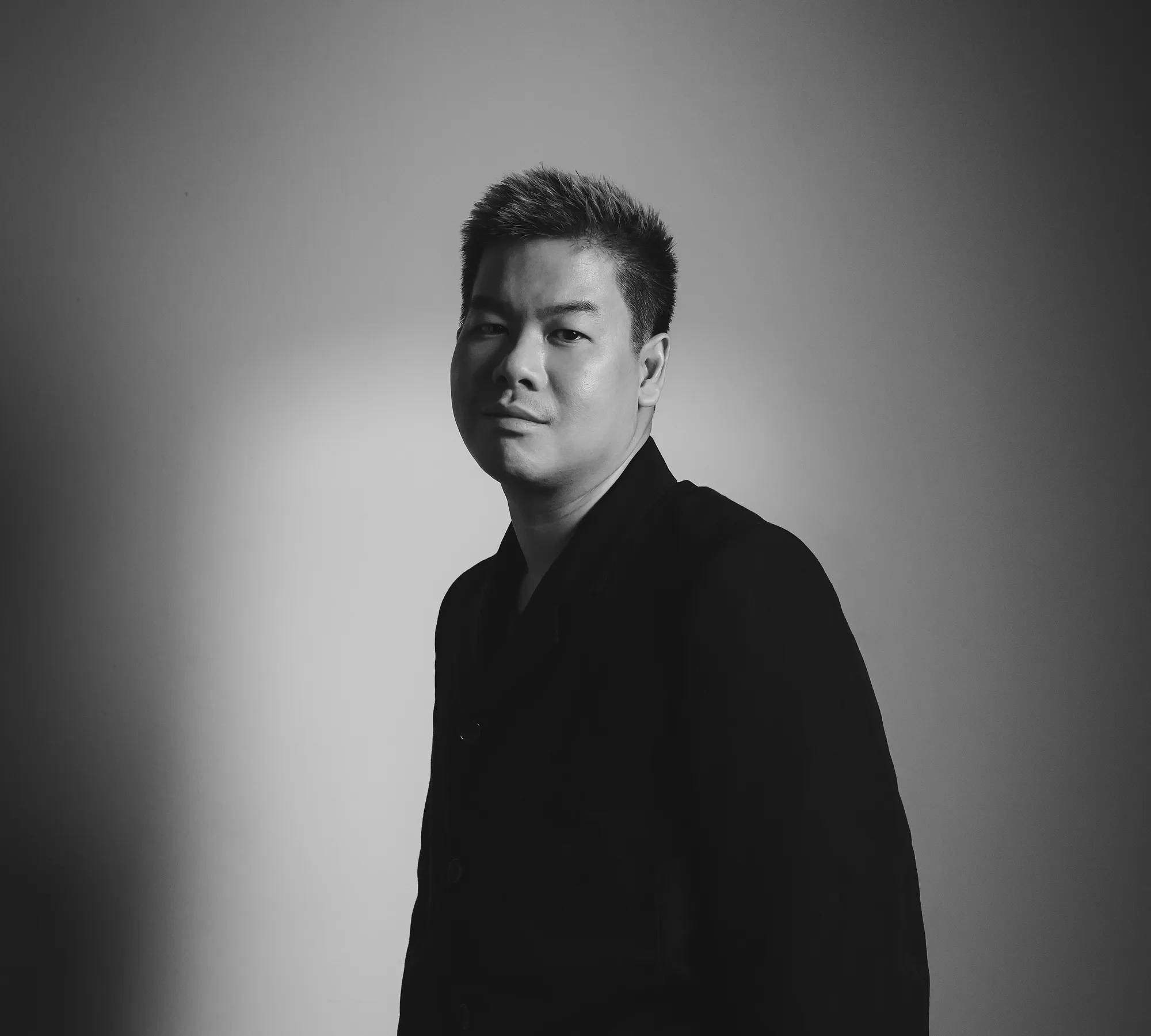
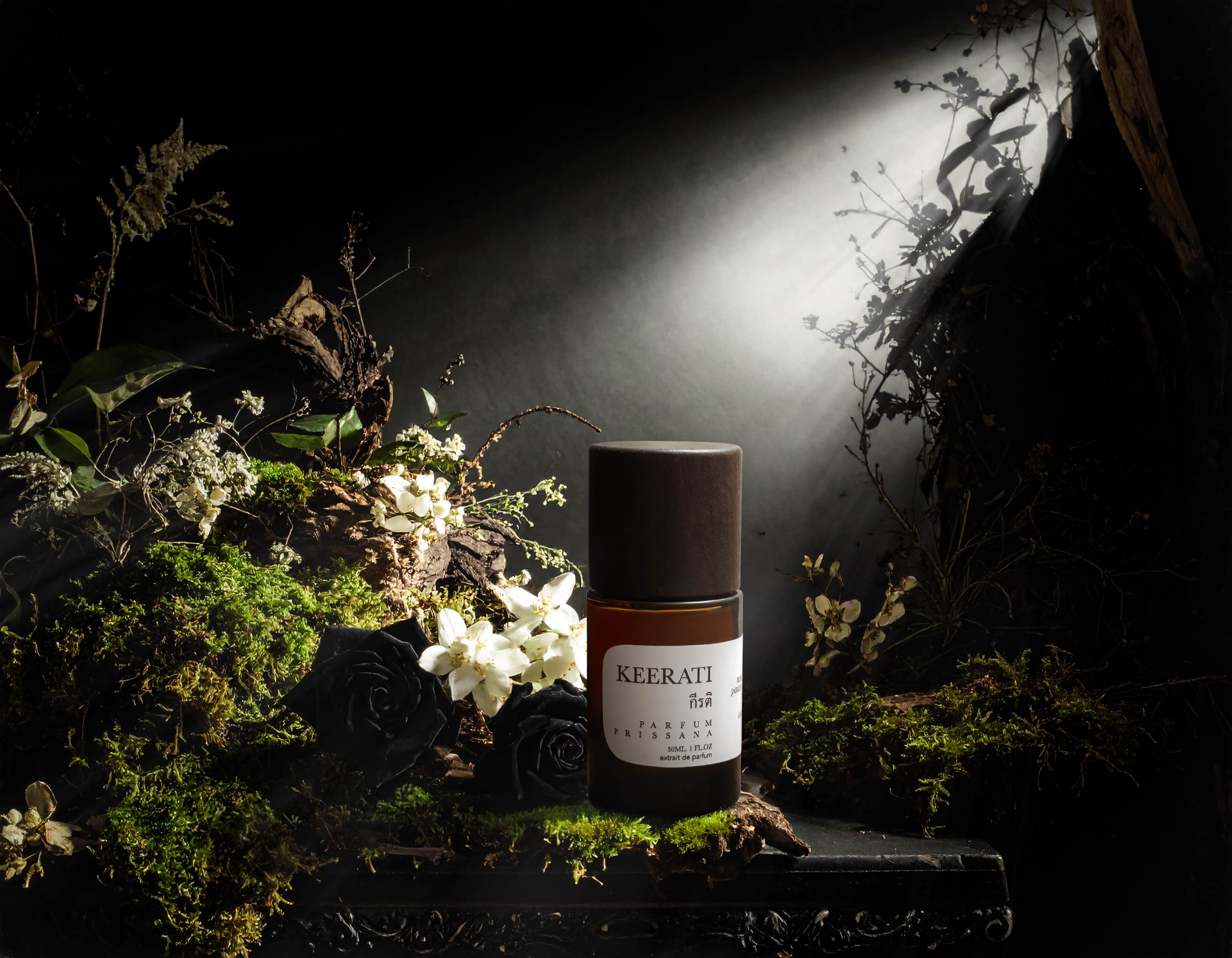
Kerrati, by Prin Lomros
You might know Prin from “Häxan”, which was a spectacle of perfume.
Abstract, and always keeping you on the nails and guessing what the next sequence in the timeline of the scent will be.
Or maybe “Salted green mango” which we think is a very good conceptual perfume, that deserves more praise. Especially after the big wave of “Mango” perfumes from the commercial perfume houses. I’m not even going to comment on them.
Prin is also very technically skilled.
In one of his perfumes, “Mriga” there’s a synthetic-deer-musk accord that might be one of the best ever made, together with Sultan Pasha’s deer-musk accord, which we can find in ______, and also in “Siberian Summer” by Areej Le Dore.
These types of accords require not only technical skill, but a deep understanding of how materials work together.
Recently, i smelled “Kerrati”. It means earth in Thai. Guess what it is?
It is “The Chypre”. The final boss.

Construction
You know, when i spoke to Prin about Kerrati, and smelling his other perfumes, i noticed that citruses are not very prevalent in his style of perfumery, which is different. Normally, perfumers use citruses for many things in the construction, one of the most common ones is of course the top notes. The opening. It is usually also a vital stage of the chypre.
Luckily, one of his favourite materials to work with is Cumin, which is very common in Thai cuisine, and also chypres, such as “Fetish” by ROJA, and gives this sweaty-leathery aspect.
Kerrati is completely different. It doesn’t start. It doesn’t open. Unorthodox.
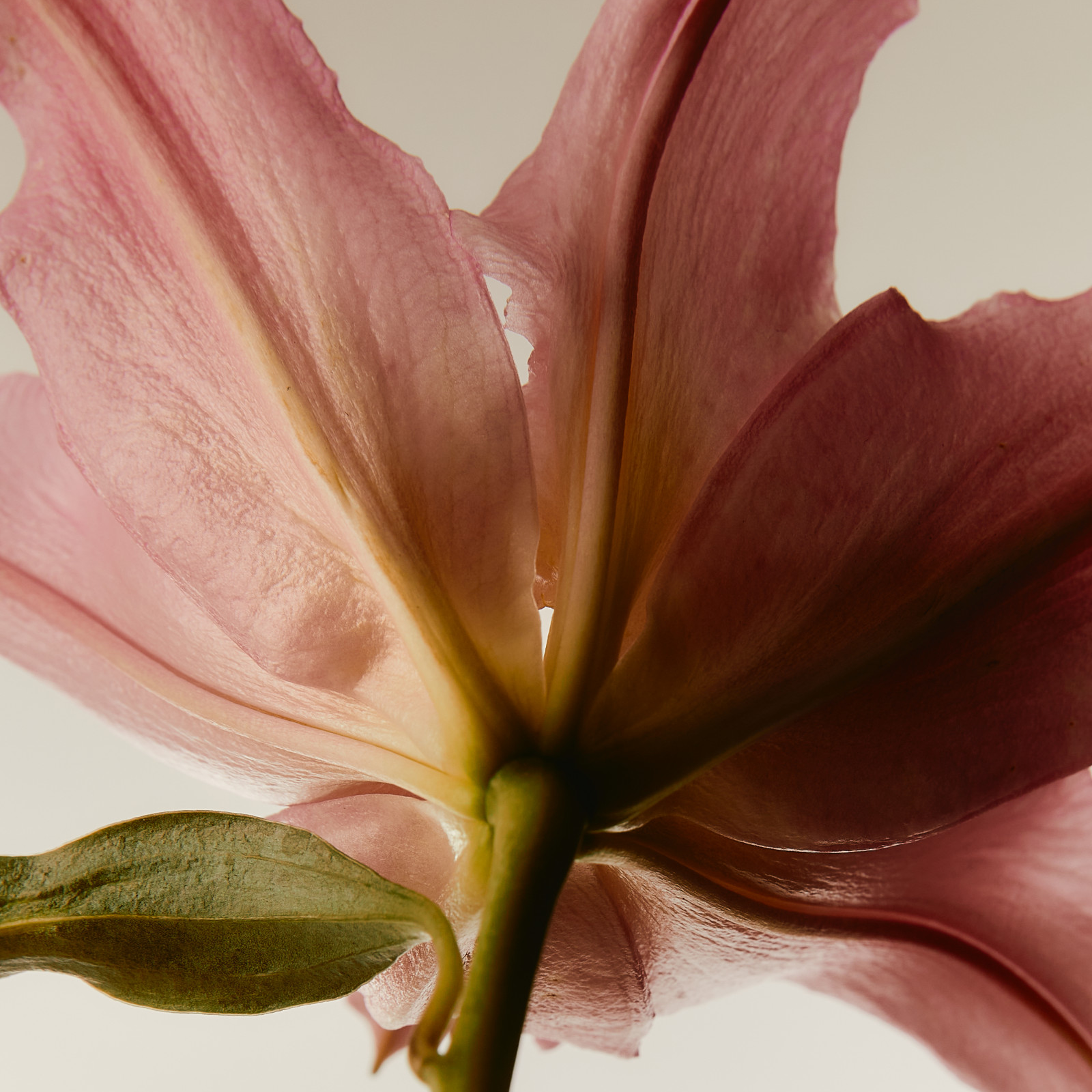
It just enters the room. Think of it metaphorically, as a flower. Usually there’s stages in the flowering process.
Flower Metaphor.
Kerrati opens up directly in the bloom, un-apologetically, showcasing its petals, aroma, and beauty. Like skipping the cold talk. I got the sense, when talking to Prin, that he was very straightforward as a person. And it transcribes very well into his perfumes.

Stage 1
The flower reaches maturity
Stage 2
The flower reaches bloom
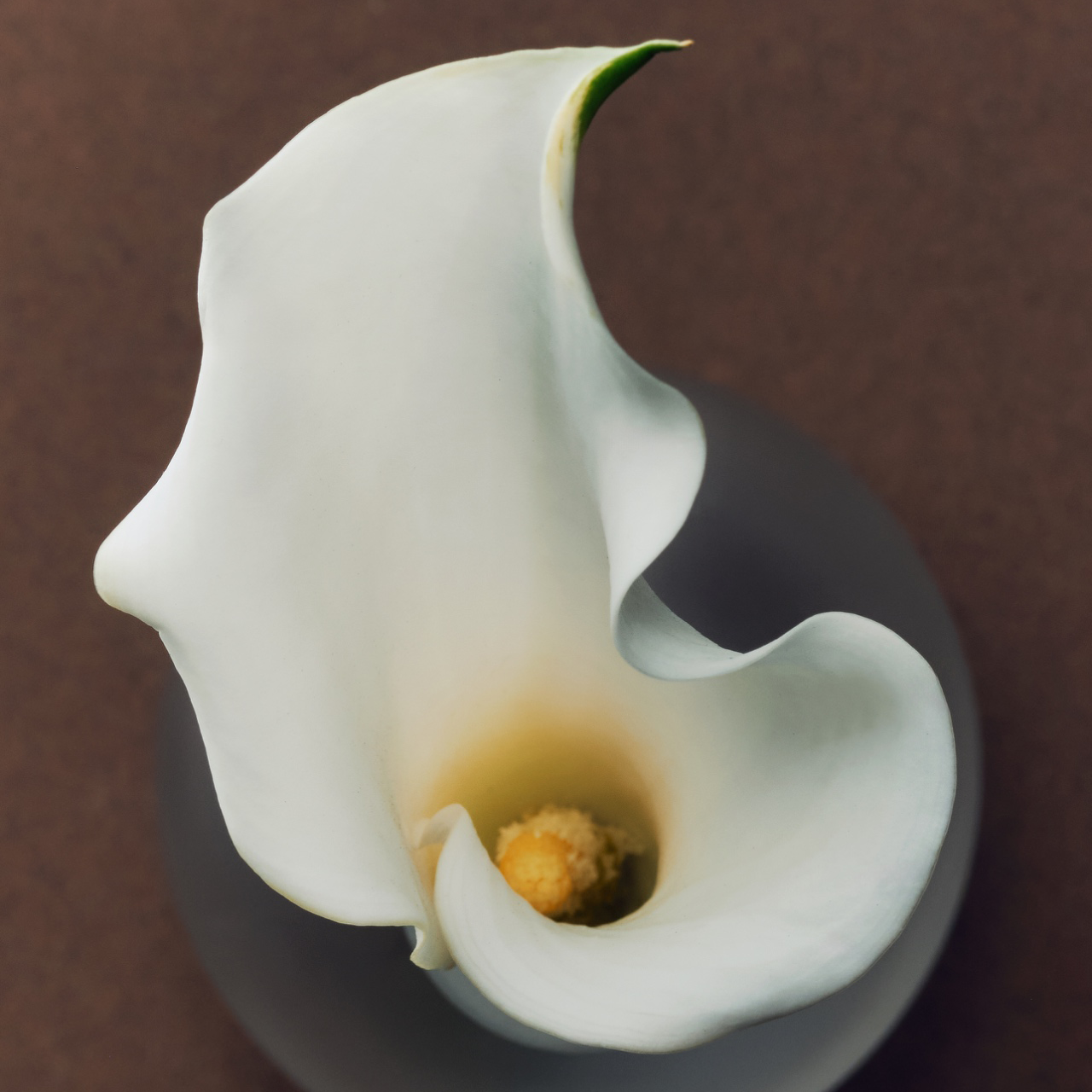
Stage 3
The flower opens up
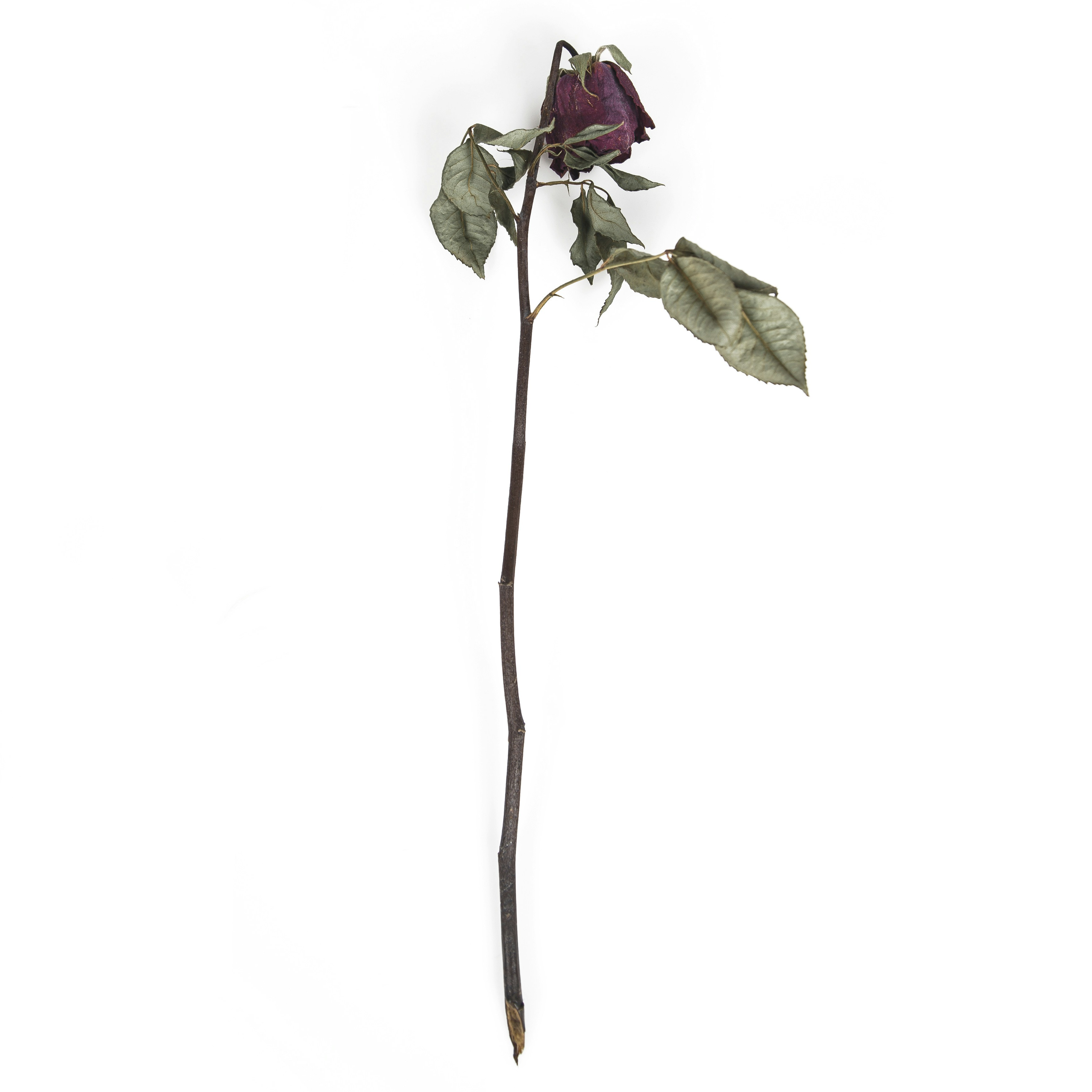
Stage 4
The flower dies
Breakdown.
The perfume is very balanced, no rough edges, and has a main-core, which is the oakmoss.
It’s sometimes aldehydic, sometimes soft-leathery, and I must say very very good.
It is pretty much everything a chypre was, in the 70’s and 80’s. But iterated with Prin’s mysterious abstract DNA, and artisanal approach.
Fundamental French-chypre-construction, but amplified with in-house DNA.
It demands attention without screaming, which is a trait that skilled perfumers have.
Perfumers that has the same ability of composing and dare I say that is a chypre for people to learn from?
Yes. I do.
Am I optimistic about the future for Chypres?
Never had a shadow of a doubt, and Kerrati just made the ride smoother.
Is it the best chypre I’ve smelled for the past 5 years?
Yes.