Talea - Ode to 菊花 Chrysanthemum
October 8, 2026
“Talea is a study in contrast. It explores the collective imagery, perception and quiet prejudice tied to the chrysanthemum, a flower long shadowed in Europe.
Yet the same flower is read in different ways. In China, it stands for resilience and longevity. In Japan, it is the emblem of the imperial family. In the West, it belongs to the remembrance of the dead, because it blooms in autumn.
Talea looks at the flower from another angle and turns that inquiry into scent.”
– Jijide Team
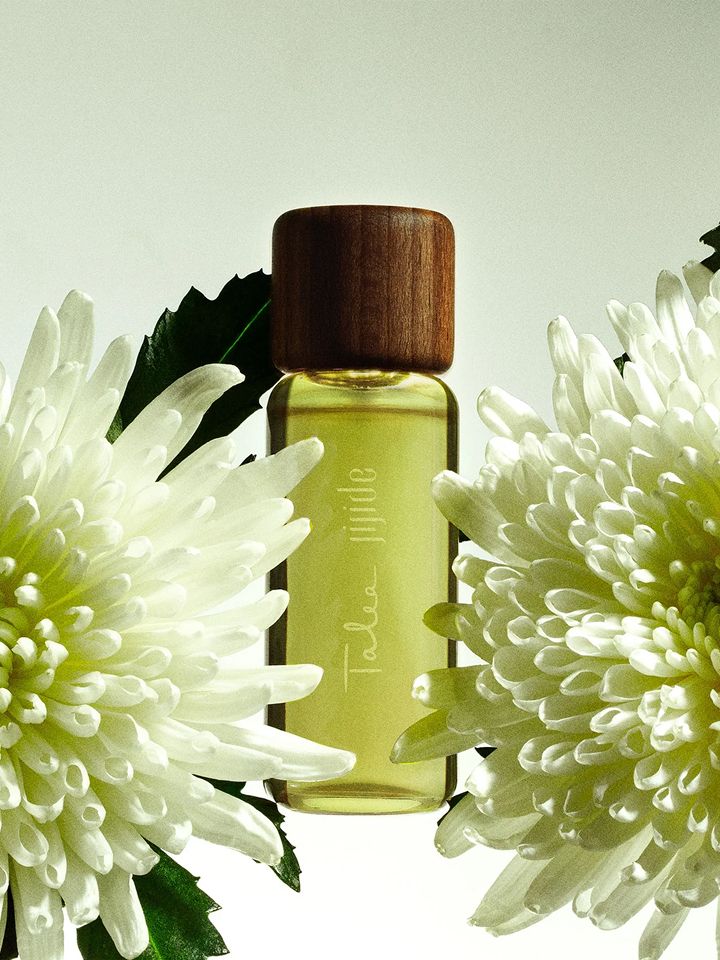
Talea, by Jijide
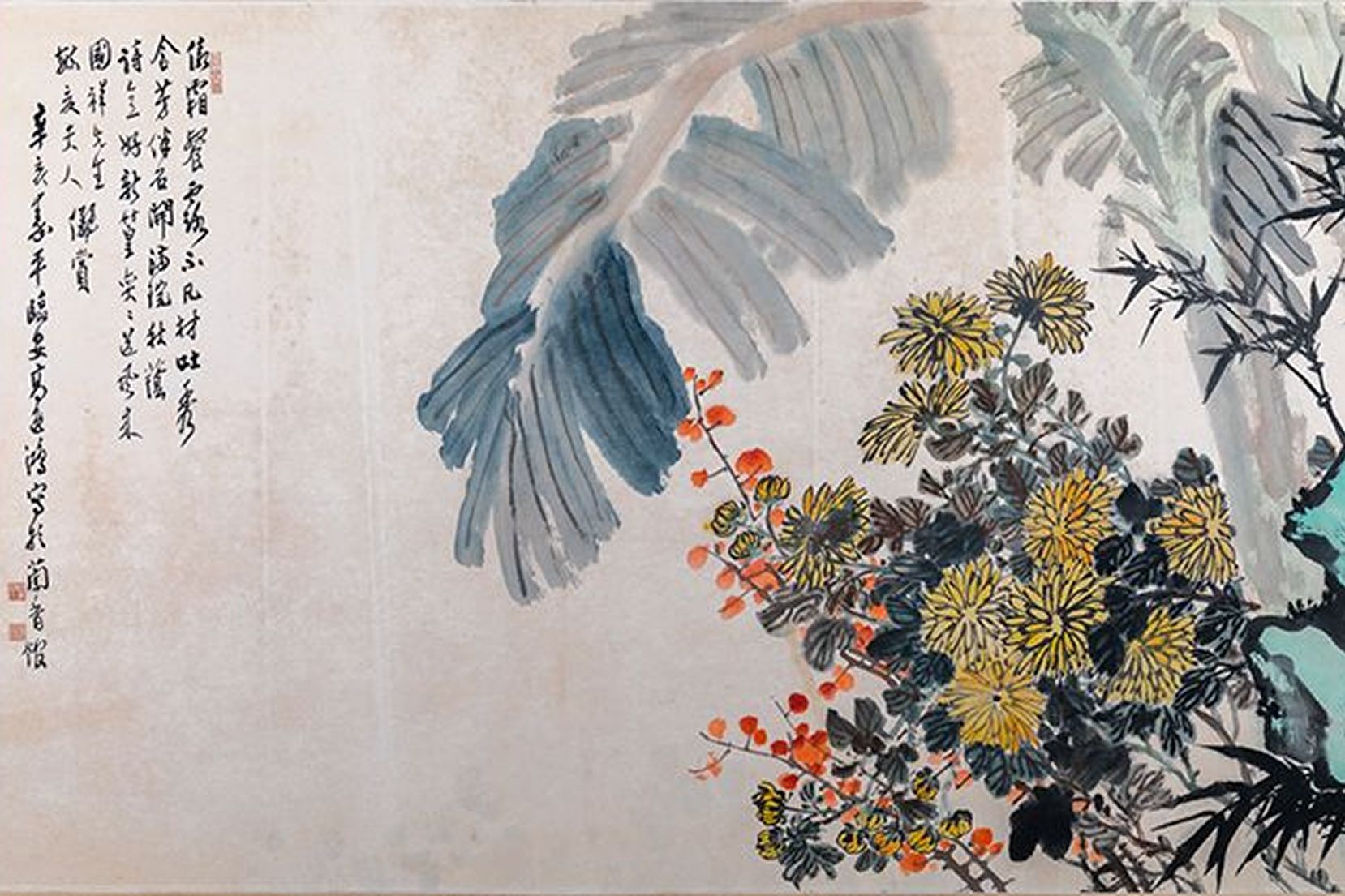
The Four Gentlemen (四君子)
In chinese art, The Four Gentlemen (四君子), also referred as the “Four noble ones”
In chinese culture, these plants have significance when it comes to the concept of upright character, which i think is a beautiful way to metaphorically set standards.
Confucian junzi (an ideal, cultivated, and morally upright "gentleman" or "superior person")
the plum (梅), the orchid (蘭), the bamboo (竹), and the chrysanthemum (菊).
The chrysanthemum specifically, blooms in the cold autumn air and foretells the coming of winter, which symbolizes the virtue to withstand all adversities. It was the favorite flower of the great poet Tao Yuanming (陶淵明, 365-427), a towering figure in Chinese literati culture
Tianle Fang.
The perfume itself is a piece of art. There’s a kaleidoscopic feeling in the opening, and it’s bouncing back from green, metallic, aldehydic and acidic. If i were to describe it in a summary, it would be a playful child, who is full of joy and doesn’t really care about who’s watching.
This is a beautiful ode to chrysanthemum, and Tianle Fang, together with the creative direction of Jijide, is really pleasant.
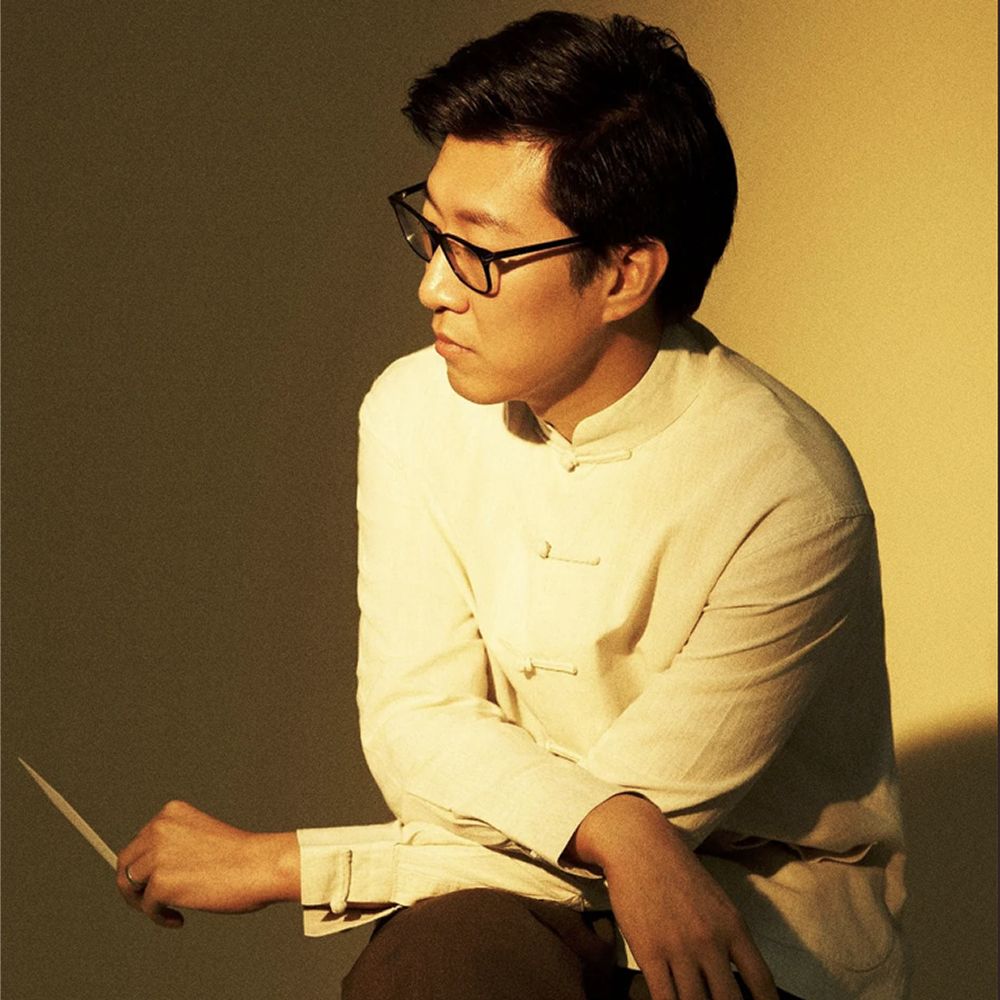
Born into a perfumer’s family in China, Tianle Fang grew up in his father’s fragrance laboratory, developing an early and intimate relationship with scent.
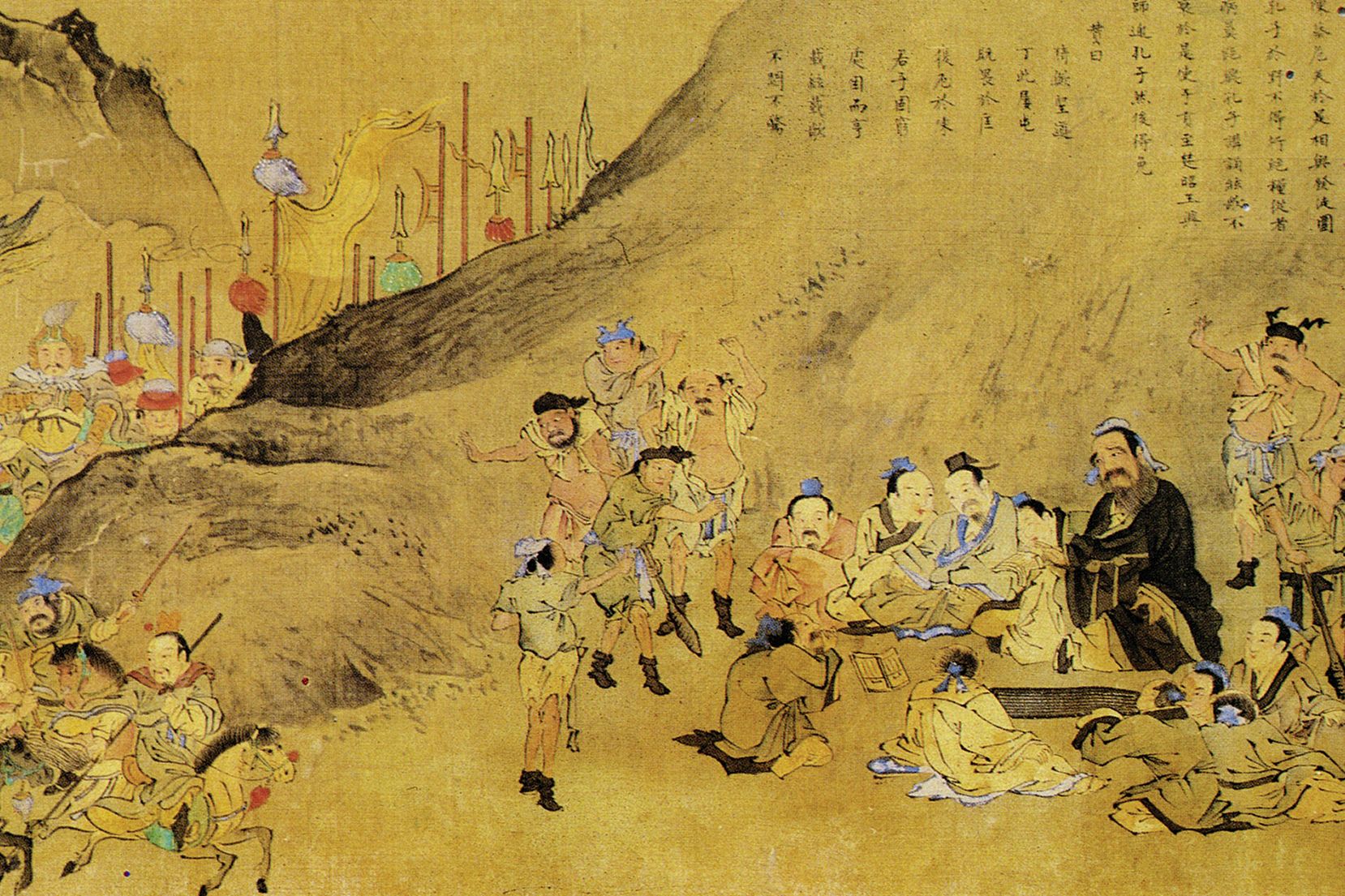
A Chinese painting shows the conversation between Confucius and his diciples.
Cultural significance
Perfumery often speaks of roots, heritage and meaning, and those words usually lead back to Europe.
But the story is wider than that. Perfumery has been practised for centuries across many cultures, and the chrysanthemum carries different meanings depending on where you stand. The West is one part of that world, not its centre.
That leaves an open question: who decides what a material means?
Talea suggests an answer. When perfumers from different cultures bring their own traditions to a material, it gains new readings, beyond the one marketing has given it. Independent houses willing to take that step, without losing their integrity, are what keep the craft moving.
Seen this way, perfumery is a world heritage, not only a French one.
Green.
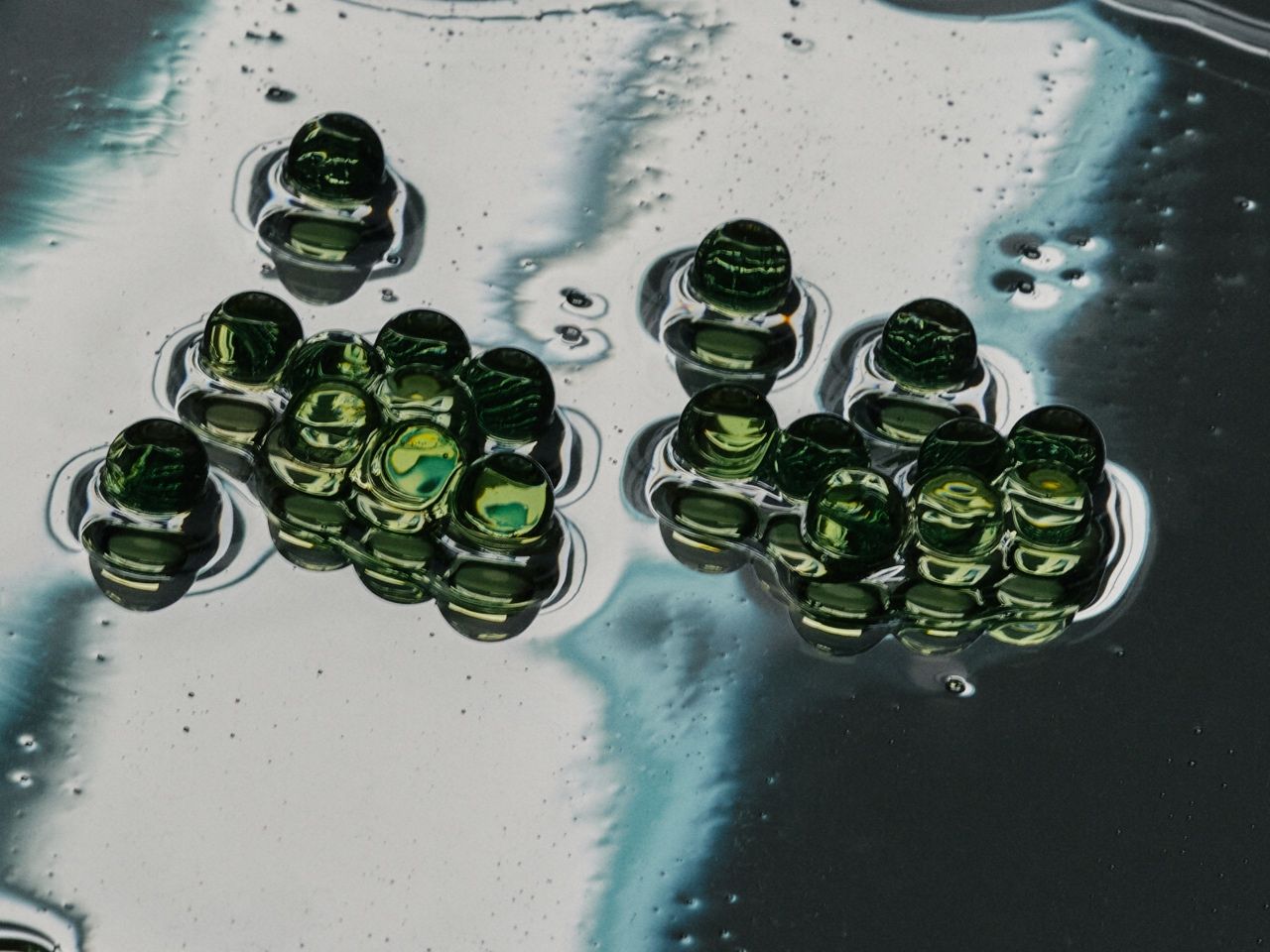
The absolute is a dense, dark green liquid, pressed from white flowers in Hangzhou.
That green carries through. Geranium and green Sichuan pepper open it with a faintly camphorous, vegetal edge. Vetiver holds it at the base. The flower is white, but the scent of it is green.
Conclusion.
In Italian, talea is a cutting: a piece of one plant that takes root and becomes another.
A Chinese material, an Italian house, students in Milan and a perfumer from a family of growers. Each one carries the flower somewhere new.
The result is “Talea”.