
Rosa Umami and duality in contrast
Mar 02, 2026
This article is about the contrast between rose and a non-traditional counterpart. The perfume is called Rosa Umami, and the house is Zanini.
As perfume enthusiasts, as many of you are, we inevitably return, again and again, to one particular question:
When will I encounter a fragrance that truly changes everything? A scent that reshapes what I thought perfume could be?
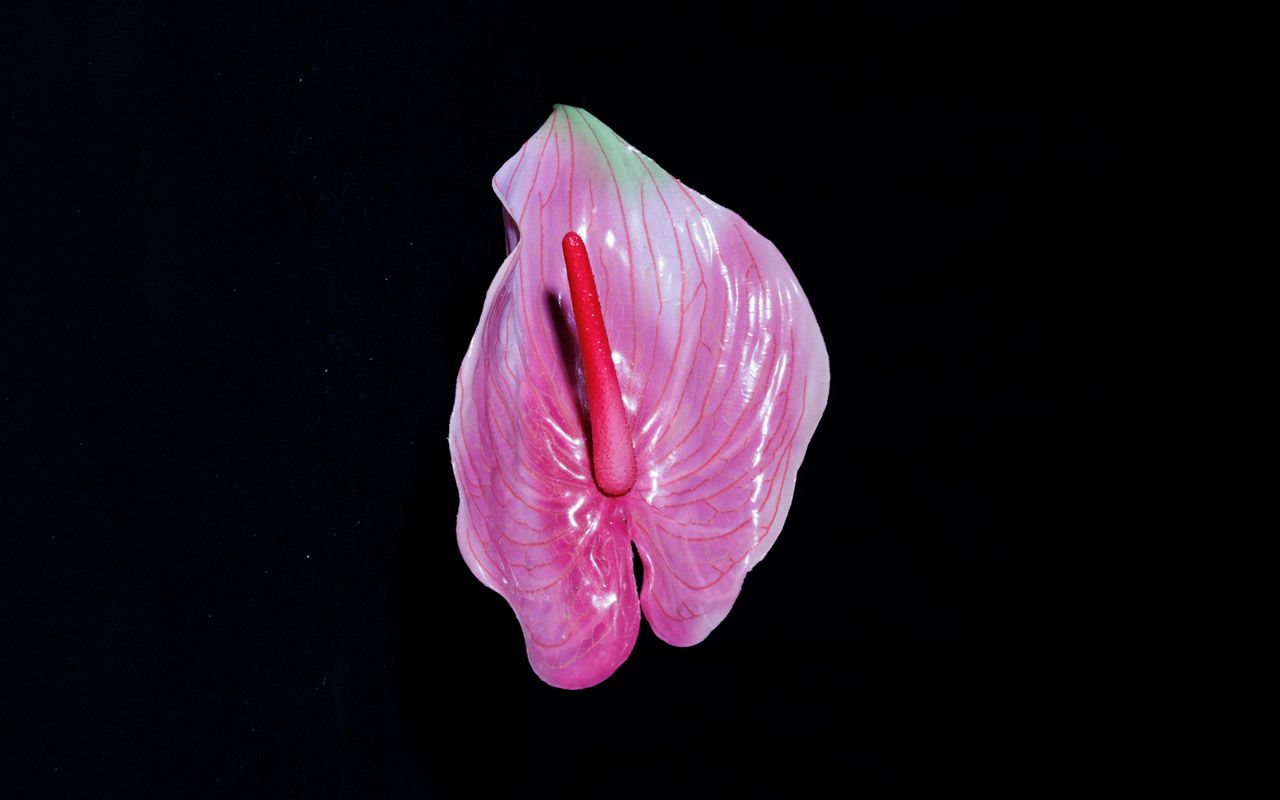
"Misc" by Marlen Stahlhuth
We imagine that moment in different ways. Some of us see it in colours. Others picture it through images, textures, or movement. And for many, it lives in memory, in the hope of encountering something entirely new, yet strangely familiar.
Because for perfume lovers, a “breakthrough” is never purely technical. It is deeply personal. It is the moment when a scent doesn’t just smell beautiful, but shifts and expands our perception of what perfume can be.
For me, that moment arrived on November 28th in 2024.
My encounter
with Zanini
It happened during Polaris Olfactive Week, when I first encountered Zanini, an artisanal perfume house based in the Tuscan town of Prato.
Until that day, the brand was completely unknown to me.
Zanini works with an almost stubborn devotion to traditional craft. Most materials are harvested and processed by hand. They use only natural ingredients, produce in extremely limited quantities, and approach perfumery with meticulous, almost monastic attention to detail.
At the exhibition, I met Giacomo, the creative director, and Filippo, the perfumer, both remarkably humble and deeply passionate. Even before smelling anything, I had the quiet intuition that I was about to experience something different.
Three perfumes.
One revelation.
"In Principio" explored brightness and structure through kumquat, lily, and ambergris.
"Daphne Meli", a powerful extrait with olfactory memories rooted in Greece.
And then there was the centerpiece: Rosa Umami.
Rosa Umami was produced in only 38 bottles, it represents one of the most radical reinterpretations of rose perfumery in recent memory.
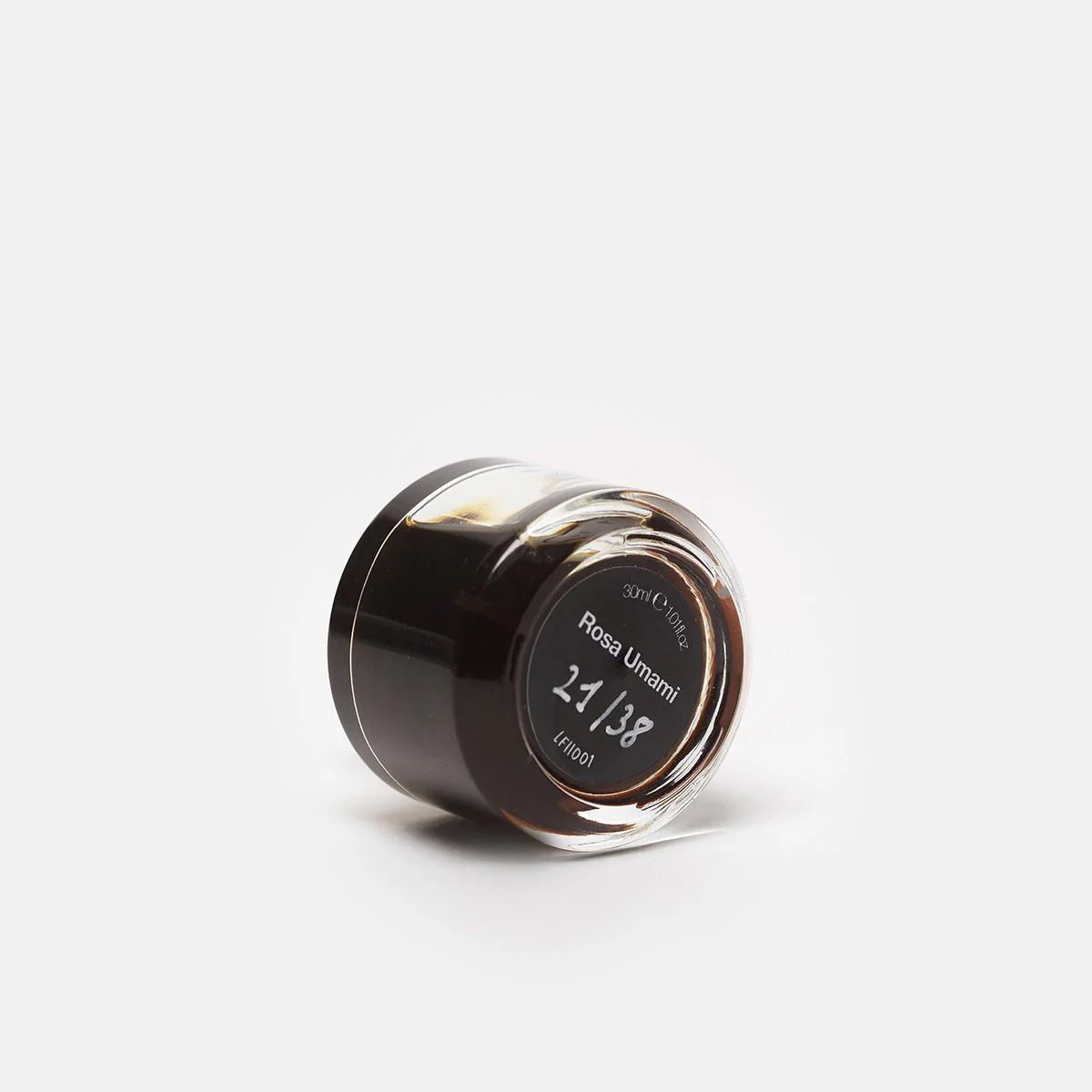
Notes: Taif rose, dog rose, ancient rose of Genoa, white rose, rose de Mai, kombucha-fermented Gallic rose, Bulgarian rose, rose leaves, Sultan’s rose, vintage rose ’70s, soy miso, seaweed, wild fennel, costmary, Leccino olive, pea pod, carob, hemp, penny bun, apricot, high-mountain tea, passionflower, raw jasmine rice, Borneo raw resin.
Reaching beyond typical rose and oud
In traditional perfumery, one of the oldest contrasts pairs rose with oud — often described as light meeting darkness. Rosa Umami rejects this familiar duality. Instead, it explores a far more unexpected tension:
Floral elegance versus savory depth.
Creating the fragrance required approximately 18,500 rose petals.
While most perfumes rely on a single rose species, Rosa Umami incorporates eleven varieties — including Rosa Canina, Rose de Mai, ancient Genovese roses, and kombucha-fermented gallic rose.
Filippo described the harvest vividly:
“For weeks, we drove back and forth with cars packed full of rose petals. We had so many it felt like being in a winery during harvest season.”
Extraction methods ranged from traditional distillation to enfleurage in mango butter and beeswax — techniques rarely seen at this scale today.
From the first moments, the fragrance feels almost divided.
At times, the rose dominates... luminous, expansive, unmistakably floral. Then suddenly, savory notes emerge: soy miso, seaweed, vegetal and earthy tones rising beneath the petals.
Sometimes they coexist in harmony. At other moments, they seem to compete — like two distinct voices demanding attention.
The effect is startling, yet deeply compelling.
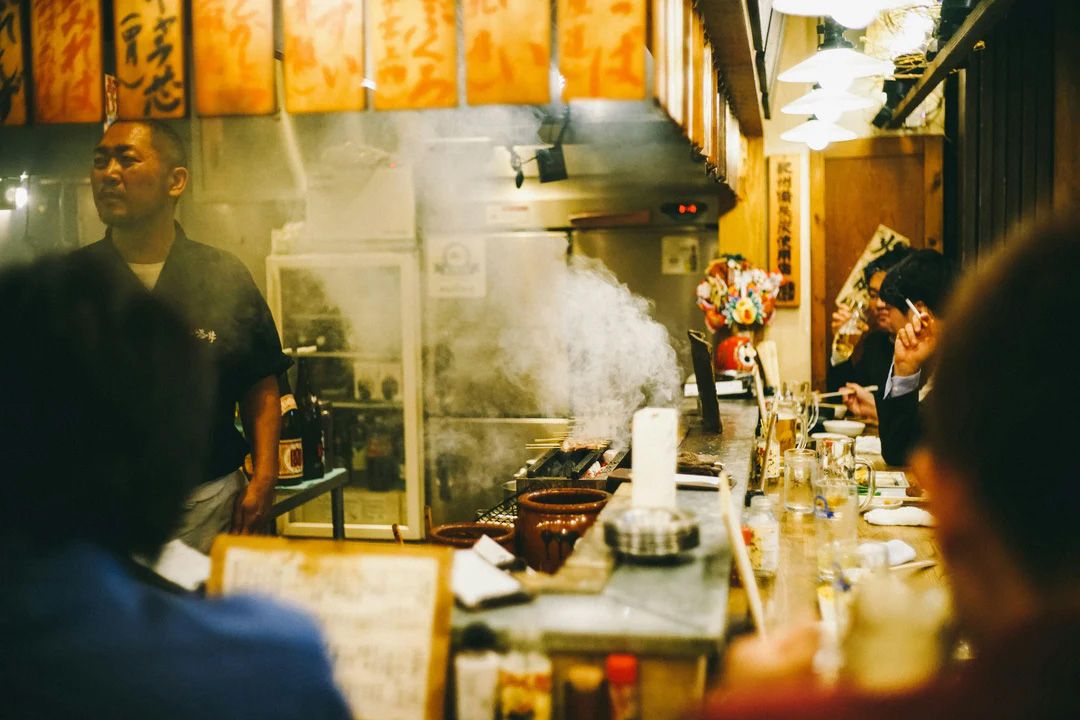
Seaweed adds a mineral clarity, evoking the sensation of sitting in a quiet sushi bar, cleansing the palate between courses.
At the foundation, Borneo raw oud resin provides structural balance, acting as a bridge that unites the floral and savory worlds into a surprisingly smooth whole.
“I imagined a rose miso soup,” he explained. “I wanted to explore the contrast between elegance and savoriness. Since real broth cannot exist in perfume, I recreated it through fermented rose accords, miso, and seaweed.”
The concept originated from a childhood memory. Filippo recalls encountering an elderly woman cooking in a Japanese storefront, large pots steaming, aromas drifting through the street.
Rose
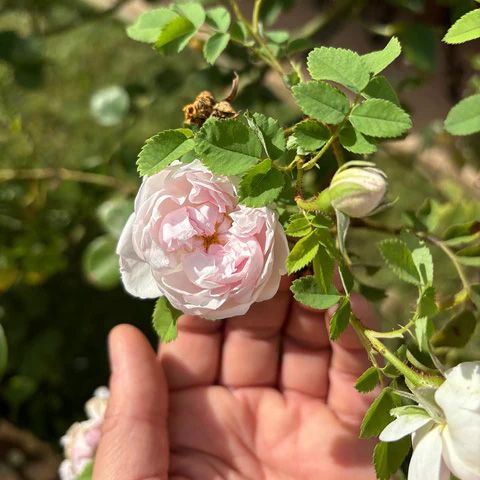
Numerous rose varieties are used: ancient Genovese roses fermented with kombucha and extracted in 96-proof food-grade alcohol with mango butter and beeswax enfleurage; artisanal distillations of Turkish, Bulgarian, and white roses; wild dog roses enfleuraged in mango and cocoa butter; and rose leaves extracted in alcohol. Warm and joyful.

Miso
Fermented soybeans paste with Japanese-origin koji. Here it has been dehydrated and immersed in pure 96-proof food grade alcohol with the addition of burdock and roasted soybeans in the style of tekka. A Japanese symbol of good health and longevity.
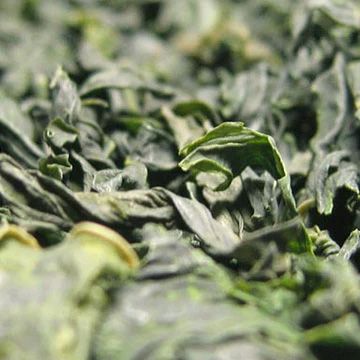
Seaweed
Fresh Mediterranean Bryopsis plumosa is left to macerate, with dried Asian Undaria pinnatifida, in pure 96-proof food grade alcohol and then rendered absolute. It has a salty, earthy, and vegetal scent.
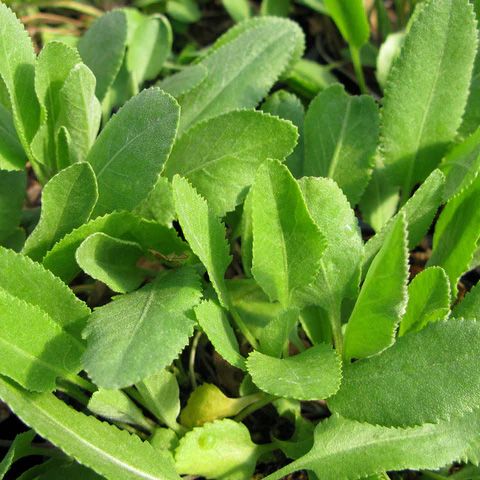
Costumary
Tanacetum balsamita L., a plant of the Asteraceae family with leathery, ovate, and stalked leaves. It has a slightly bitter taste.