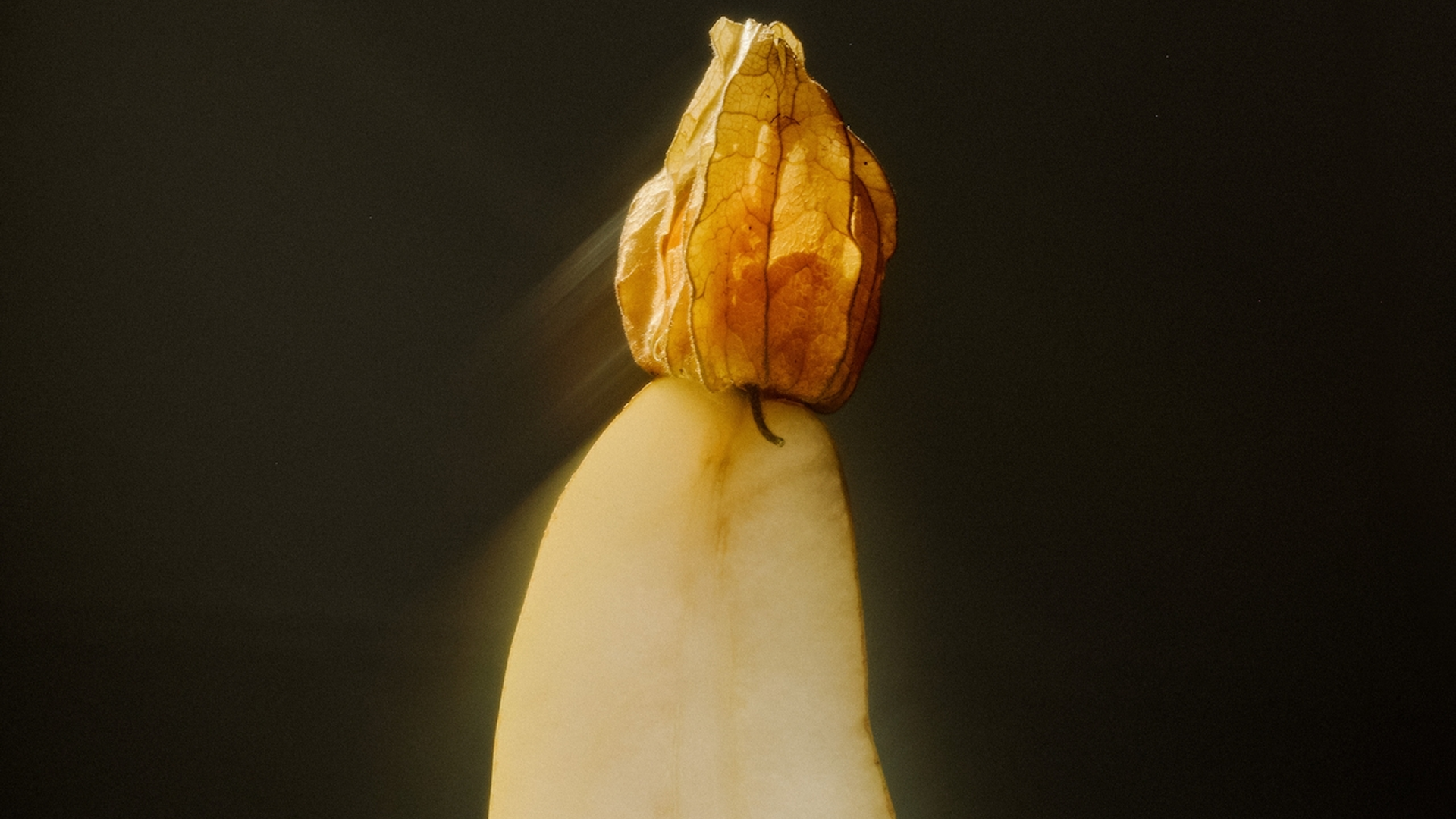
Dansaekhwa and Korean minimalism in natural perfumery
Mar 01, 2026
In contemporary perfumery, strength has increasingly become synonymous with value. Online retail follows a similar logic: visual impact, overstimulation, the relentless pursuit of the wow. Across creative industries, success is measured by immediacy, how quickly something captures attention and how loudly it announces itself.
Projection replaces nuance. Impact replaces intention. Quietly, almost without noticing, the central question shifts from why to how much.
Perfumery, like life, is deeply subjective. Preference is relative. What resonates with one person may feel invisible to another.
But what if beauty doesn’t always need amplification? What if, sometimes, beauty can be simple?

Whenever I visit a coffee shop for a brief pause from home—usually with my three ragdolls demanding attention—I tend to follow the same ritual. I order squeezed lemon in a glass bottle.
The cashier often looks at me with mild confusion. Not quite judgment, but a silent question: Why not coffee, like everyone else?
The truth is that I have loved citrus fruits for as long as I can remember. Perhaps it began before I was even born—my mother eating oranges and grapefruits during pregnancy. If that is the case, I am grateful. It is a lovely thing to love.
Citrus has always fascinated me in all its forms: tangerine, grapefruit, bitter orange, lime. Not only as something edible, but as something aromatic. In perfumery, citrus has a remarkable ability to transform the simplest composition into something luminous.
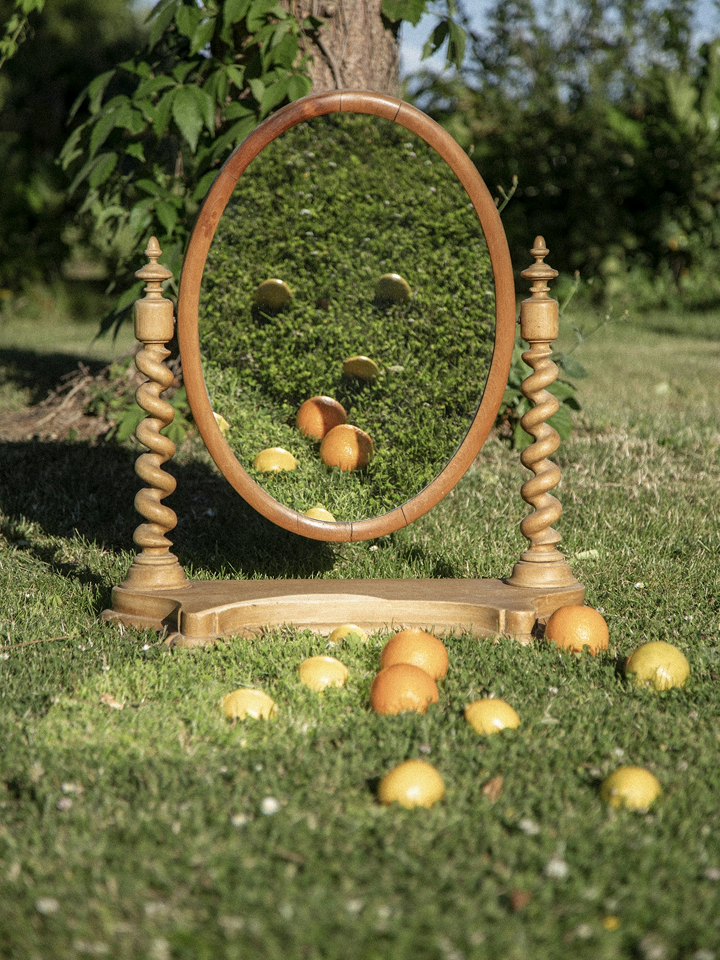
Which raises an interesting question:
How can something as deceptively simple as an eau de cologne, essentially a careful arrangement of citrus notes, be considered art?
While many people search for bold patchouli signatures or elaborate gourmand structures, I often find myself drawn to quieter compositions. The hidden gems. Fragrances that speak softly rather than loudly.
Thinking about this recently led me toward a parallel in art and architecture.
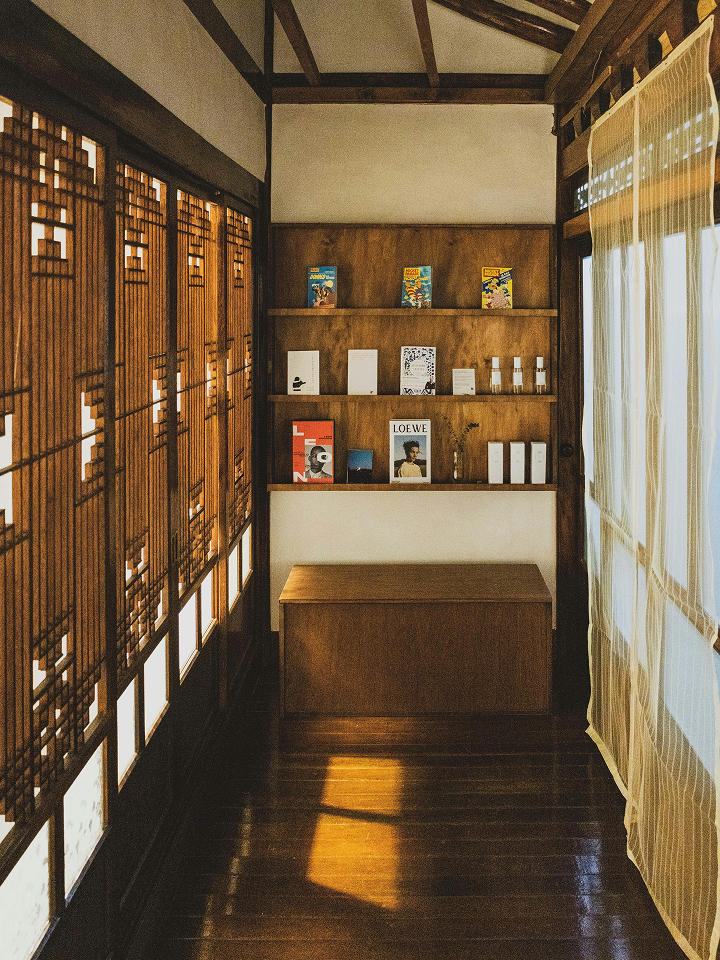
The traditional Korean hanok house is built on restraint: natural materials, open space, and balance with its surroundings. Nothing is added without intention. Each element exists because it must.
A similar sensibility appears in Dansaekhwa, often translated as “monochrome painting.” Associated with Korean minimalism, these works explore repetition, material, and subtle variation. Rather than overwhelming the viewer with complexity, they invite attention through reduction.
In both cases, meaning emerges not from excess but from careful subtraction.
The same principle can exist in perfumery.
Recently, I encountered a fragrance that embodies this quiet philosophy. The Korean perfume house Circle of Lim works discreetly at the intersection of craft and natural perfumery. Among their creations, one fragrance stayed with me long after the first wear: Picnic Basket.
Experiencing it felt almost like
stepping into a small narrative.
The fragrance opens with a brightness that feels almost playful, like tasting a piece of candy after a long day—sweet, gently sour, and fleeting. For a moment everything lifts, as if the air itself has become lighter.
After a few minutes, that brightness recedes and something calmer takes its place. The sensation becomes spatial, almost architectural. It feels like entering a softly lit room: beige walls, neutral fabrics, a couch waiting quietly at the center. Nothing demands attention. The space simply invites a pause.
Then another detail emerges. A window opens somewhere in the composition. Outside, purple and white flowers lean toward the light—jasmine warmed by the sun. The air becomes warmer, fuller, yet still restrained. It is less a dramatic shift than a subtle change in atmosphere.
Eventually the window closes again. The fragrance softens, wrapping itself around the skin with a comforting warmth, like a robe offered at the end of a quiet afternoon. The experience ends gently, without spectacle.
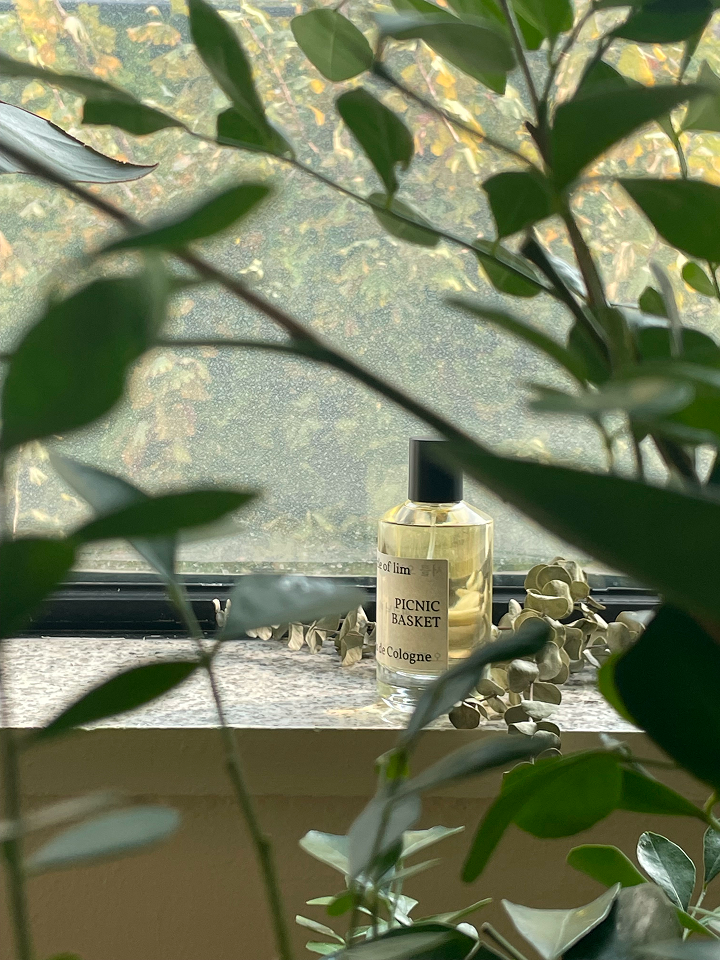
“Like Dansaekhwa, it allows materials to speak plainly, imperfections included.”
What lingers afterward is less the scent itself than the feeling it leaves behind.
It raises a simple question: is there still space in life for small, fleeting joys, moments that are not designed to impress but simply to be felt?
For me, the answer is yes.
Picnic Basket carries the philosophy of less is more with quiet confidence. Like a hanok, it values restraint. Like Dansaekhwa, it allows materials to speak plainly, imperfections included.
There is no excess, no masking… only the quiet presence of the elements themselves.
And in that restraint, I find peace.