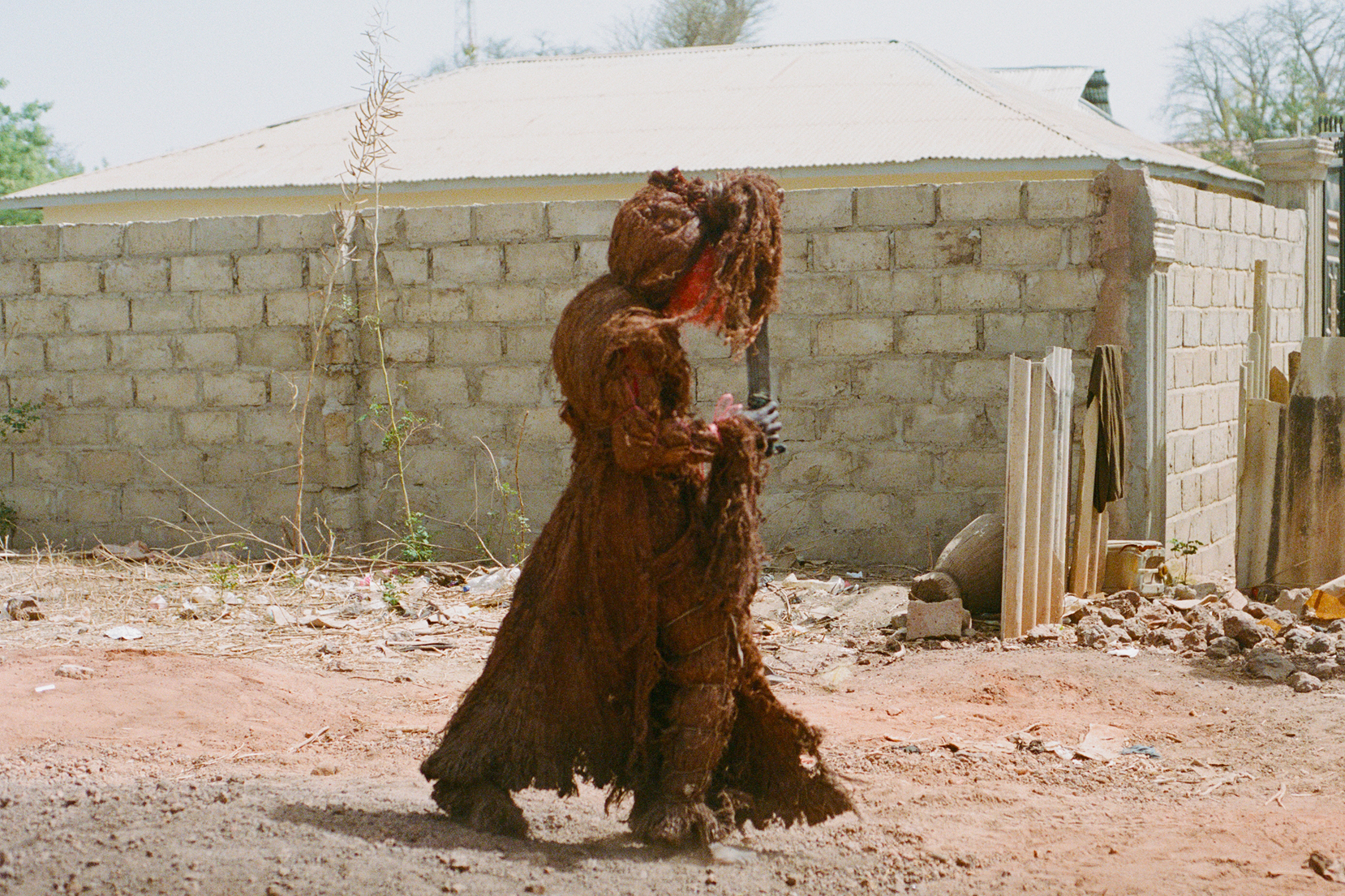
Aethi Opum: A synesthetic portrait of memory
June 24, 2026
Through synesthesia and personal recollection, Maya Njie transforms memories into olfactive paintings. This editorial will be focusing on her latest release “Aethi Opum” through a abstract angle.
Can We Ever Truly Smell the Past?
“Ever since I was a kid, memories have been inevitably important for the progression of life. Stillness, Ponder, Weight, and Light. And often these particles of Time were incorporated with some sort of olfaction or sensorial memory.
Think of memories as a box of moments that you carry wherever you go. Whenever you smell something on the way through the path of your life, these moments in your box wake up and come to life subconsciously. For good, or for bad.
It could be through colors, it could be through texture, it could be through patterns, or it could also be through human interactions. Scent is very subjective and it's also very relative but the core for me has been synesthesia.”
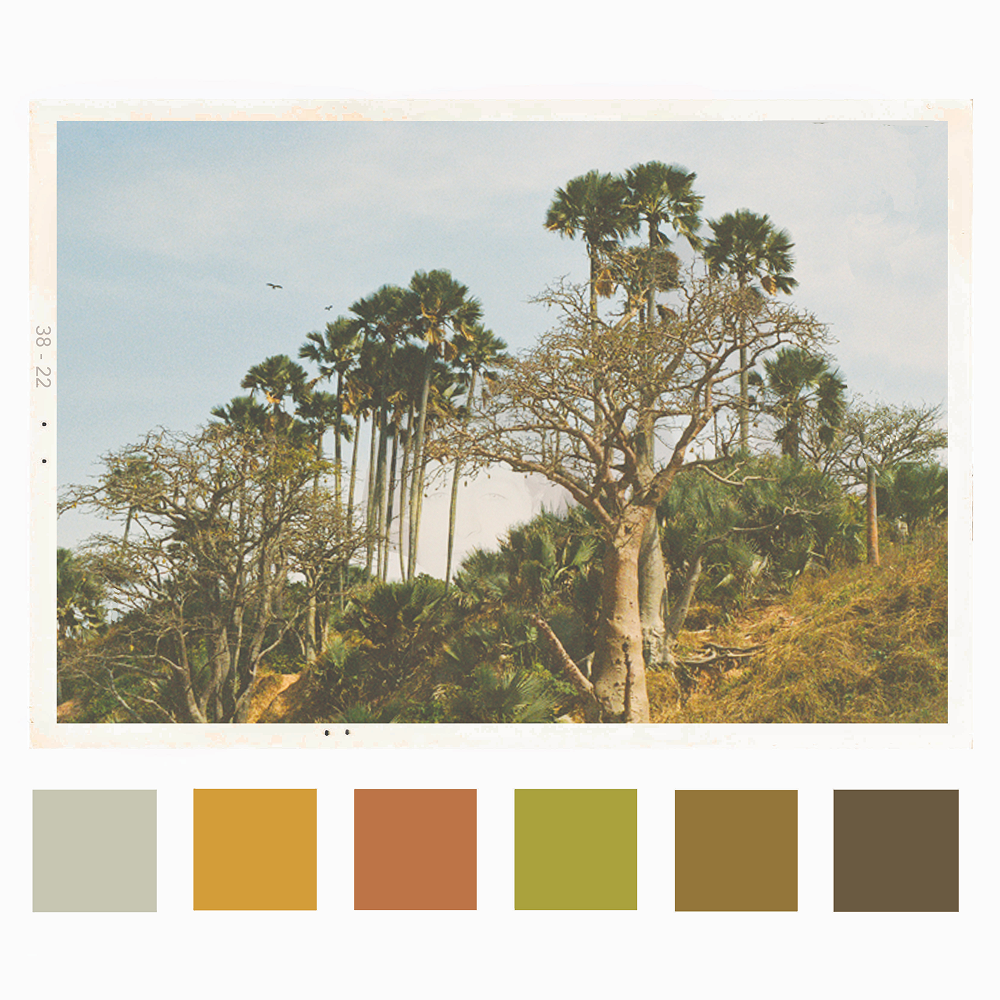
“Synesthesia occurs when one sense involuntarily activates another. A fragrance may appear as a color, a shape, or even a landscape in the mind. Since smell is closely linked to memory and emotion, these associations can become extraordinarily vivid, allowing scent to function as something far beyond aroma alone.
Synesthesia is something that 1% up to 4.4% or maybe one in 2,000 people have.
It is significantly more prevalent in women, who are estimated to make up roughly 75% of all synesthetes.”
Before Aethi Opum, came Maya Njie
Maya Njie is a Swedish-Gambian perfumer. She is a good friend. She is an amazing person. She is humble and she is funny.
What is more relevant to this topic is that she is an outstanding conceptual artist. She has mastered the skill to incorporate her synesthesia into the portraits of memory that she creates through her perfumery. Her style is balanced and minimalistic and she incorporates Scandinavian and African heritage into her work very well.
Why and when did Aethi Opum come to existence?
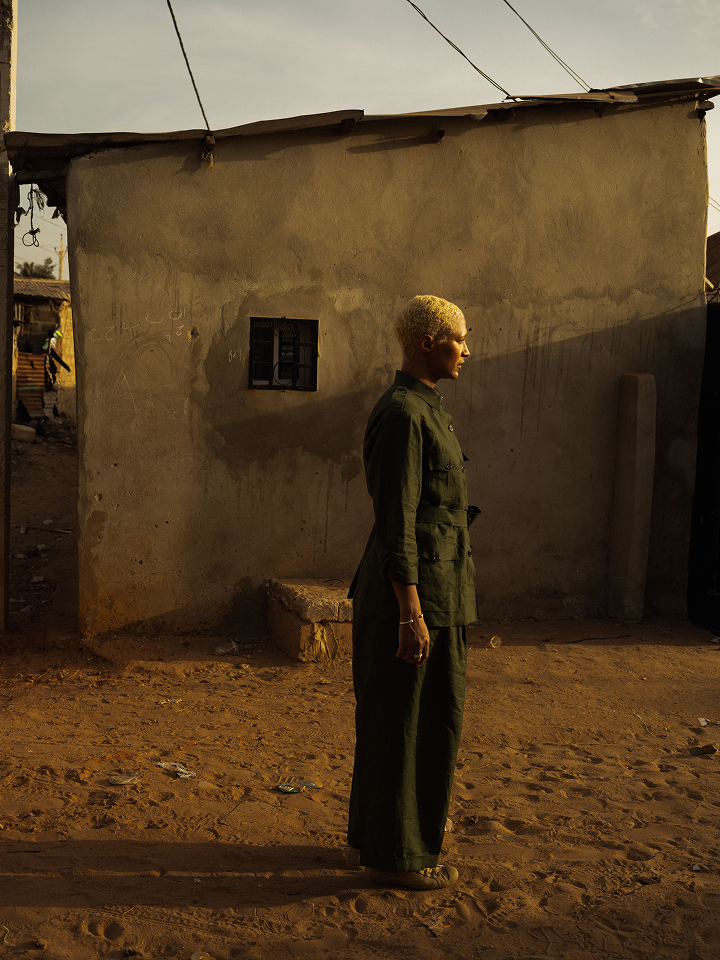
The idea for Aethi Opum began several years ago through a desire to explore my West African lineage more through scent. I wanted to create a fragrance inspired by the landscapes, traditions and folklore of West Africa and the Sahel, while also reflecting on themes of inheritance, memory and continuity. The name comes from the Borassus Aethiopum palm tree, which grows across much of the region and became a symbol for the project.
The fragrance evolved gradually over several years of research, travel, material exploration and refinement. I was interested in creating something that felt both ancient and familiar - a scent that might connect us to a place, a culture, or even a time long before our own, yet still feel relevant today.
The result is an earthy, woody and incense-forward fragrance that became a very personal expression of identity, place and belonging.

Aethiopum Tree
What do you feel when you think of Aethi Opum, and the tiring process behind creating it?
“Aethi Opum feels like a bridge between past and present. It allowed me to explore aspects of my Gambian heritage, cultural memory and the landscapes and home that have shaped me. Rather than being tiring, I would describe the process as absorbing.
There were certainly moments of frustration, as there are with any creative project, but mostly I remember feeling driven by curiosity and a desire to get closer to something that felt authentic and realistic”.
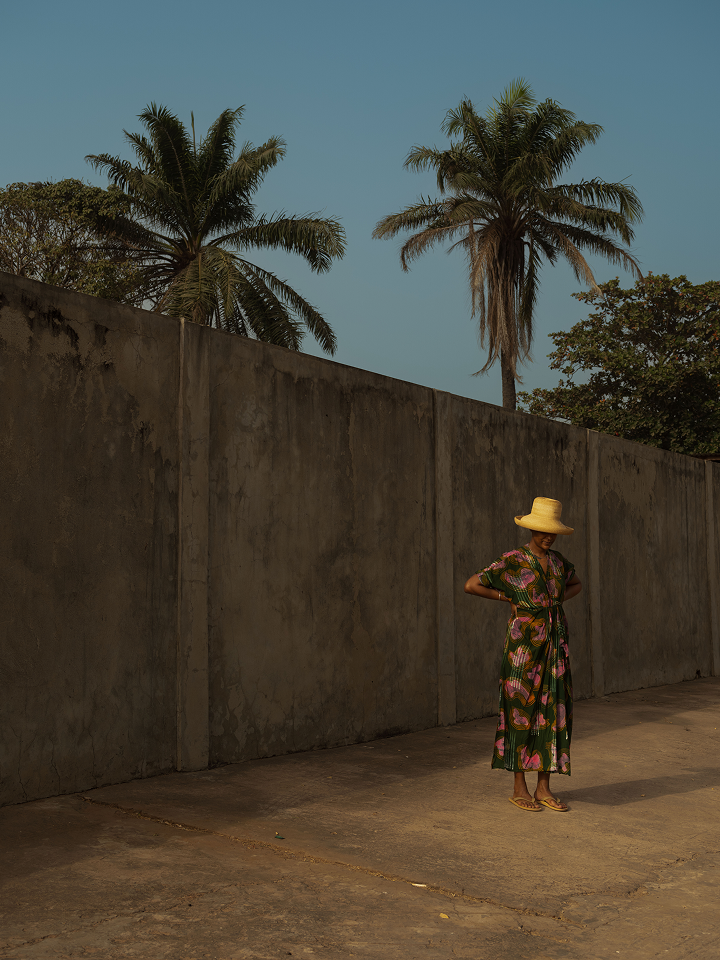
Maya Njie in Gambia
“The fragrance explores the idea that certain smells can feel very familiar, even when we cannot place them.
Whether through culture, memory, history or something more instinctive, they seem to connect us to experiences larger than ourselves.
The familiar and sometimes unexplainable, sense of recognition is what I hope to leave behind with this perfume”
Aethi Opum
Texture
First thing that struck me when I smelled the perfume last year was the texture. If you blind your senses and touch an object, the first thing that comes up in your mind is texture. How does it feel? Is it grainy? Is it dry?
That's one of the aspects of Maya Njie and her style: how much texture is incorporated in the scent. The texture in Aethi Opum in the beginning is like that of a dusty desert on an excavation site. Once you polish the artifacts with patient and sensitive bristles, the aroma of coffee comes up. Before you even know it, rain starts to hit the soil.

Transition
Contrast
During the first phase of the perfume, there’s an intertwine of light and dark. Minimalism and brute concrete force. Almost like trying to incorporate her swedish upbringing, with gambian roots into the perfume, as a portrait. The frankincense and suede, form an alliance and follow through the journey.
In scandinavian scent culture, the approach is usually restrained and minimal, where as in gambia, it is the opposite. There’s beauty in both, and that’s where the duality shows the most in Aethi Opum. The constant concoction of contrasts.
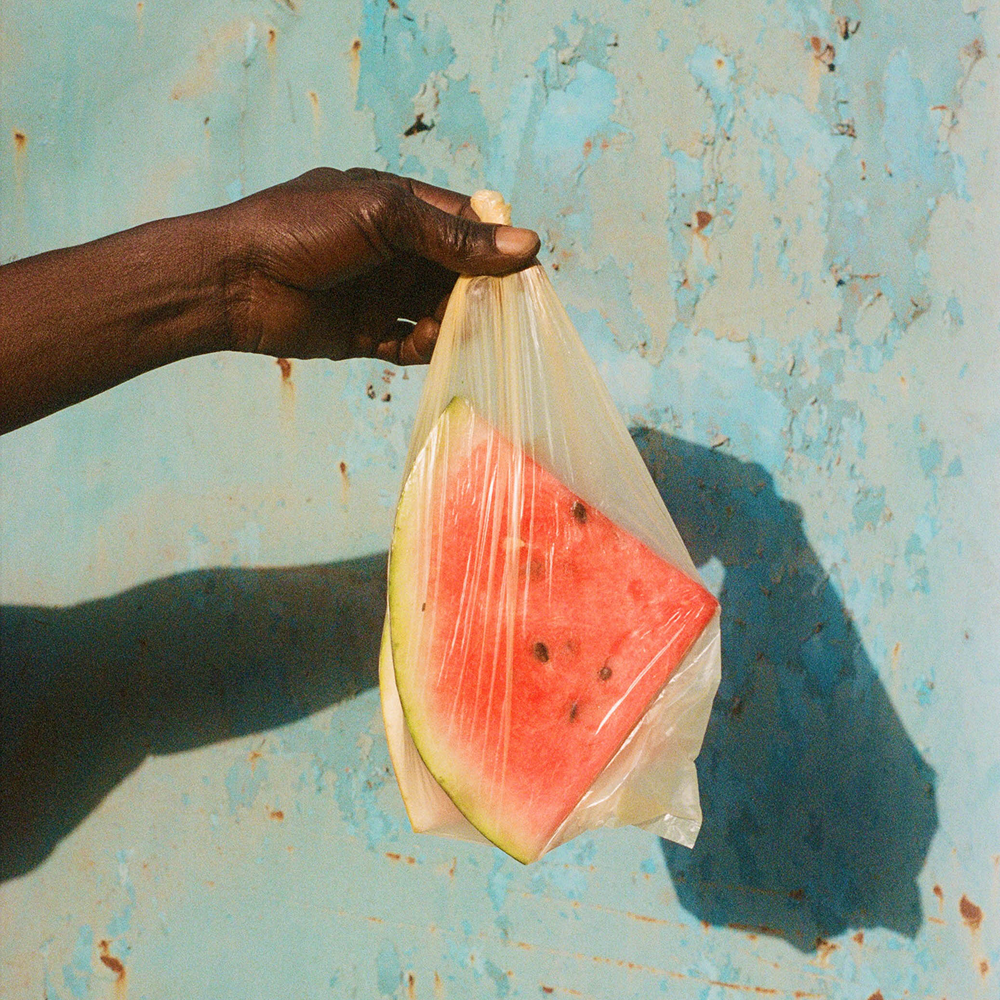
Drydown
Backbone
When transitioning from middle-phase to the final phase, ocassionally there are sparkles, that might be coming from the Aidan Fruit, which is traditionally a very aromatic compound usually found in West and Central Africa.
The sparkles that i referr to is often found referred to “fuzzy” and “boozy” elements in perfumery. In Aethi Opum, it’s restrained and balanced, just the way it should be.
Further down the road, all the elements create a symbiosis and linger in the air effervescently.
It’s such a balanced olfactive painting, but still tons of character. It’s a perfect example of contrast, balance, and highlighting two different worlds, to create a portrait of memory.
Olfaction at its finest.